ANCARES
Innovation tools for Analyzing land use and Carbon Levels in Agroecosystems of Sustainable dairy Regions
¿What is ANCARES?
the Challenge: Towards low-emission livestock farming
The dairy sector faces the challenge of reducing greenhouse gas emissions and adapting to European climate policies, while maintaining its economic viability and its role in rural areas.
THE SOLUTION: DigitaliZATION, DATA AND APPLIED KNOWLEDGMENT
ANCARES integrates digital mapping, soil analysis, remote sensors and predictive algorithms to characterise the land, assess the soil and quantify carbon sequestration on farms.
Innovation for the sustainability of the dairy sector
ANCARES is an innovation project that develops digital tools to improve land and carbon management on livestock farms, promoting more sustainable, efficient and data-driven farming.
OBJEctives
Sustainability, carbon and digitalization
Develop tools that promote the sustainability of the dairy sector in the Cantabrian region, through carbon sequestration, reduction of GHG emissions and digitalization.

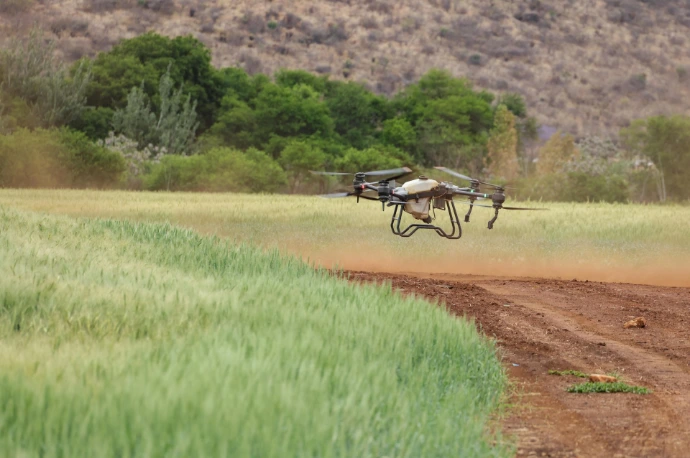
Digital tools for the territory
Development of digital spatial tools for the characterization of farms and support for environmental assessment and sustainable planning.
Reference data for Europe
Obtaining reference data from the different dairy farming systems in Galicia and Asturias, aligned with the future European carbon framework (CRCF).
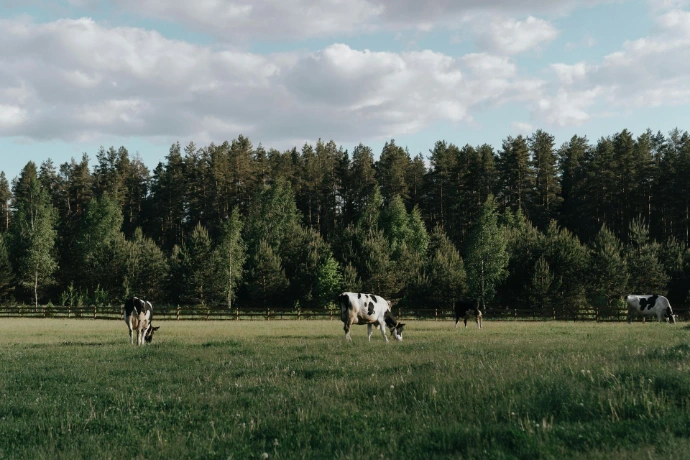
Innovation in livestock systems
Promotion of innovative livestock systems and development of best practice guides to improve sustainability.
RESULTS
R1
Development of a cartographic tool for the characterization of the territory in dairy cattle farms in Asturias and GaliciaR2
Identification of the main farm idiotypes in three representative areas of the dairy sector in Asturias and Galicia
R3
Physical-chemical and biological characterization of soil health in different farming systems
R4
Physical-chemical and biological characterization of soil health in different farming systems
R5
Development of a list of recommendations for carbon accounting, aligned with absorption projects and CAP measures linked to land management
R6
Development of fertilization algorithms and data access services for farm management
R7
Evaluation of sustainable management practices, including pilot projects of regenerative agriculture in the dairy sector
R8
Development of a digital scenario simulation tool for planning mitigation strategies and environmental services
BENEFITS
ENVIRONMENTAL BenefiTs
- Improving soil health and its productive capacity
- Increased carbon sequestration in livestock systems
- Reduction of greenhouse gas (GHG) emissions
- Optimization of the use of agricultural inputs (fertilizers, natural resources)
- Conservation of agricultural ecosystems and associated biodiversity
ECONOMIC BENEFITS
- Improving productive efficiency on farms
- Cost reduction through more precise resource management
- Access to data-driven decision-making tools
- Preparing for future carbon and environmental services markets
- Strengthening the competitiveness of the dairy sector
social benefits
- Boost to rural areas
- Support for the viability of livestock farms
- Contribution to the maintenance of activity in rural areas
- Knowledge transfer and training in the sector
- Improving the social perception of sustainable livestock farming
Sectoral and strategic benefits
- Transformation of the production model
- Boosting the digitalization of the dairy sector
- Generation of reference data for Galicia and Asturias
- Alignment with European sustainability and climate policies
- Support for the implementation of the future European carbon framework (CRCF)
- Development of replicable models in other territories
PARTICIPATING ENTITIES
Who makes up ANCARES?
A multidisciplinary consortium for innovation in the dairy sector
The ANCARES Operational Group is made up of entities with extensive experience in the dairy sector, applied research and technological development, mainly from Galicia and Asturias.
Collaboration between all partners allows the project to be approached in a comprehensive way, combining scientific knowledge, technological innovation and practical application in livestock farms.
Sector representation
Direct connection with livestock farms
Key entities in the sector are participating, such as AGACA (Galician Association of Agricultural Cooperatives), CAPSA FOOD and CLAS (Central Lechera Asturiana).
Research and scientific knowledge
Technical basis for sustainability
The universities USC (University of Santiago de Compostela) and UNIOVI (University of Oviedo) are responsible for:
- Soil characterization
- Data analysis
- Generation of applied technical knowledge
Their participation guarantees the scientific rigor of the project.
Technological development
Digital tools and territorial analysis
CETEMAS (Forestry and Wood Technology Center) leads technological development through:
- Digital mapping generation
- Spatial data integration
- Spatial data integration
- Remote sensor application

Coordination and promotion
Management, strategy and dissemination
MEDRAR SMART SOLUTIONS is the entity responsible for:
- Project coordination
- Support for technical and administrative management
- Strategic analysis
- And participate in the communication and dissemination of results
FinanciNG
This Operational Group, as the body responsible for the content, has received funding for the preparation and implementation of innovation projects of general interest by supra-regional operational groups of the European Innovation Partnership for Agricultural Productivity and Sustainability (EIP-Agri), within the framework of the Spanish CAP Strategic Plan (PEPAC); co-financed 80% by the European Agricultural Fund for Rural Development (EAFRD) and 20% by the Spanish Ministry of Agriculture, Fisheries and Food. The total amount of the funding is €596,769.91 and the project budget is also €596,769.91.